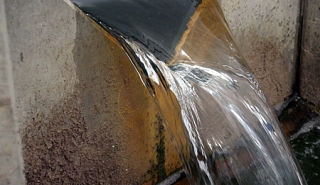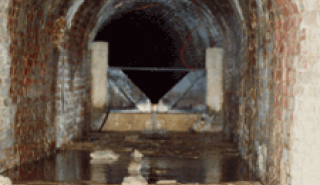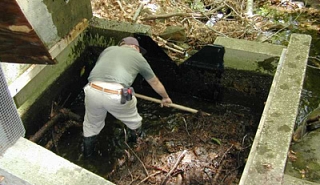

A flow measuring weir is simply a structure over which water flows in such a way that volumetric flow rate can be calculated….it lets you know how much water is flowing. Many times a flow measuring weir is simply a thin plate across a flow stream, but weirs can also be broad, thick structures.
The thin plate (or sharp-crested) weir is usually used to measure watersheds, creeks, and small streams. They have also found a use in measuring industrial effluents in the form of weir plates, boxes, and channels.
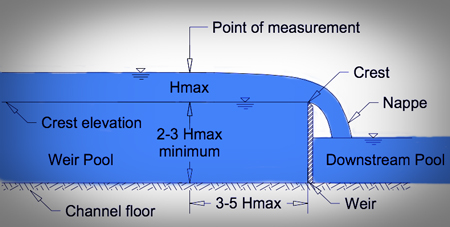
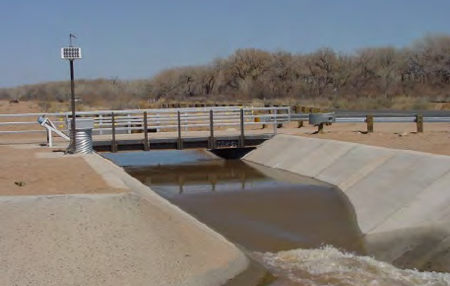
Broad-Crested weirs are much thicker in cross section when compared to sharp-crested weirs. They are commonly used to measure the discharge of larger rivers and agriculture / irrigation canals.
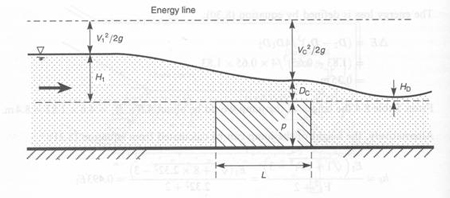
Sharp-crested weirs can be distinguished from Broad-Crested ones by the body of water (nappe) that springs from the downstream edge (crest) of the weir. Broad-crested weirs have the body of water passing over the weir and into the downstream channel with only a depression in the surface level of the water (there is no springing nappe).
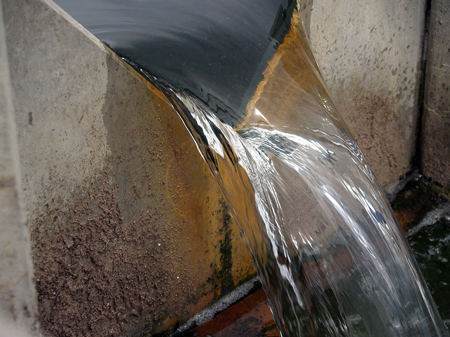
Sharp-crested weirs can be plates simply perpendicular to the flow axis or they have V-shape, triangular (Cipolletti), or rectangular cut-outs in then, but regardless of shape they are usually best for measuring smaller flows.
Both sharp-crested and broad-crested weirs require that the approaching flow be sub-critical. Neither weir will operate in its usual accuracy range in the presence of critical or super-critical flow.
Image Credit: JFC Civil Engineer, Kinzli, K., Gensler, D., Oad, R., Linking a Developed Decision Support System with Advanced Methodologies for Optimized Agricultural Water Delivery via Research Gate, DefMo via Flickr
Source: Colorado State University